


Many illnesses share similar symptoms. A sore throat may be related to strep, a respiratory virus, drainage, irritation, or another condition. A cough may occur with a cold, flu, bronchitis, allergies, asthma, or another respiratory concern.
The Stone Creek team will review the patient’s symptoms, perform an examination, and recommend appropriate testing or treatment based on the complete clinical picture.
Fever
Chills
Cough

Congestion

Runny nose

Sore throat

Ear pain

Sinus pressure

Fatigue

Body aches

Nausea

Vomiting

Diarrhea

Painful urination

Rash

Mild wheezing

Not every illness requires a diagnostic test. Testing may be recommended when it can help clarify the likely cause of symptoms or guide the treatment plan.
Antibiotics are appropriate for certain bacterial infections but do not treat viral illnesses. A provider will determine whether an antibiotic is appropriate after evaluating the patient’s symptoms, examination findings, and available test results.
Stone Creek offers several rapid and respiratory tests. The provider will determine which test may be appropriate based on the patient’s symptoms, age, timing, exposure history, and clinical findings.
No. Some illnesses can be evaluated based on the patient’s history and physical examination. Testing is recommended when it is likely to help guide treatment or follow-up.
Stone Creek may evaluate children with fever and other common illness symptoms. The clinic should clearly publish any age limitations once its pediatric protocols are confirmed.
Stone Creek may evaluate selected immediate concerns and perform glucose testing, but urgent care does not replace ongoing diabetes management with an established medical provider.
Recovery time depends on the condition, symptom severity, medical history, treatment, and individual response. The provider will explain what to monitor and when follow-up may be appropriate.
Care for coughs, fever, sore throats, ear infections, respiratory symptoms, UTIs, stomach illnesses, rashes, and other common conditions.
Evaluation and treatment for sprains, strains, minor fractures, cuts, burns, wounds, back pain, and other non-emergency injuries.
Convenient physicals, vaccinations, wellness checks, TB testing, blood-pressure checks, drug screens, and other routine healthcare services.
On-site X-rays, rapid testing, EKGs, glucose checks, urinalysis, and respiratory testing when medically appropriate.
A comprehensive health review focused on preventive needs, health risks, recommended screenings, and personal wellness goals.
Clinically guided weight-management care based on the patient’s history, health risks, lifestyle, goals, and treatment eligibility.
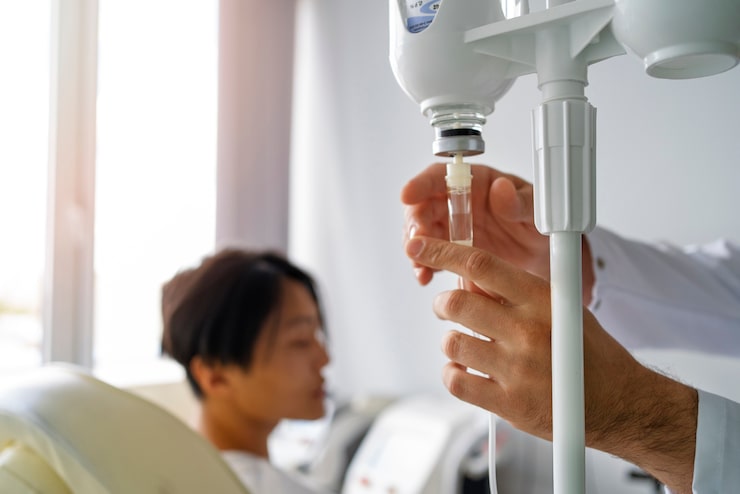
Medically supervised hydration and IV therapy provided after a review of the patient’s health history and current needs.