



On-Site X-Rays
X-rays may help evaluate possible fractures, joint injuries, sports injuries, falls, and selected respiratory or chest concerns.
Rapid Testing
Point-of-care tests may provide helpful information for flu, strep, COVID-19, mono, pregnancy, glucose, and urinary concerns.
EKG Heart Screening
An EKG records the heart’s electrical activity and may support the evaluation of selected symptoms or health requirements.
Respiratory Testing
Respiratory testing may help evaluate symptoms associated with RSV, flu, COVID-19, and other respiratory illnesses.
The provider may recommend one or more tests based on the patient’s symptoms, examination, age, exposure history, and medical background.
Evaluates patients with sore throat, painful swallowing, swollen glands, or other symptoms associated with strep throat.

Provides testing support for patients with symptoms, known exposure, or another qualifying reason.

May be used when prolonged fatigue, sore throat, swollen glands, or other findings suggest infectious mononucleosis.

Provides pregnancy testing when clinically relevant to symptoms, treatment, medication decisions, or routine needs.

Measures blood glucose for selected symptoms, screenings, or non-emergency blood-sugar concerns.

Evaluates urine for findings related to UTIs, hydration, glucose, pregnancy, and other health concerns.
May help evaluate respiratory symptoms, particularly in children and other patients with relevant clinical findings.

Helps identify influenza in patients experiencing fever, cough, body aches, fatigue, or other respiratory symptoms.

Diagnostic testing works best when it is combined with a thoughtful review of symptoms, medical history, and examination findings.
Not every patient needs the same test, and a test result should not be interpreted without considering the full clinical picture.
The provider asks what the patient is experiencing and when the symptoms began.
Do not use “instant results” as a blanket claim.
Patients should receive clear instructions about how results will be communicated and whether additional follow-up is needed.
Patients may ask about a test, but the provider will determine whether it is appropriate based on the patient’s symptoms, medical history, and clinical evaluation.
Patients should use Check-In Online or call the clinic to confirm whether a provider visit is required for the requested test.
No. Many rapid tests may be completed during the visit, while other samples may require outside laboratory processing.
Not necessarily. Test timing, sample quality, and the cause of symptoms can affect results. The provider interprets the result together with the examination and health history.
An X‑ray generally requires a clinician’s evaluation and order. A medical professional must assess symptoms and determine if imaging is necessary and safe.
Availability may depend on staffing, equipment, and the type of imaging needed. Patients may call before arriving when X-ray access is the primary reason for the visit.
No. An EKG provides useful information about the heart’s electrical activity but does not independently identify or exclude every possible heart condition.
Care for coughs, fever, sore throats, ear infections, respiratory symptoms, UTIs, stomach illnesses, rashes, and other common conditions.
Evaluation and treatment for sprains, strains, minor fractures, cuts, burns, wounds, back pain, and other non-emergency injuries.
Convenient physicals, vaccinations, wellness checks, TB testing, blood-pressure checks, drug screens, and other routine healthcare services.
On-site X-rays, rapid testing, EKGs, glucose checks, urinalysis, and respiratory testing when medically appropriate.
A comprehensive health review focused on preventive needs, health risks, recommended screenings, and personal wellness goals.
Clinically guided weight-management care based on the patient’s history, health risks, lifestyle, goals, and treatment eligibility.
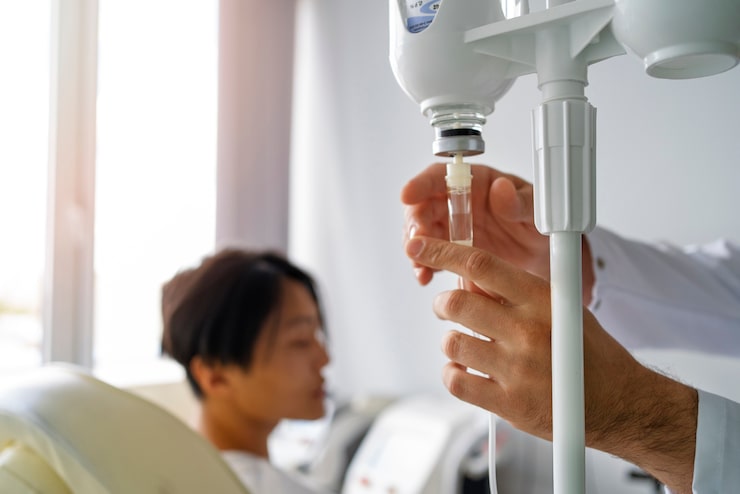
Medically supervised hydration and IV therapy provided after a review of the patient’s health history and current needs.
Personalized hormone evaluation and treatment planning based on symptoms, clinical findings, laboratory results, and individual risk factors.