
Many health concerns develop gradually and may not cause obvious symptoms at first. An annual visit gives the patient and provider an opportunity to discuss changes, identify risks, review preventive-care needs, and develop a health plan for the coming year.
A review of diagnoses, surgeries, medications, allergies, family history, and changes since the patient’s last medical visit.

Measurement of blood pressure, pulse, temperature, oxygen level, height, weight, and other relevant health information.

An individualized examination based on the patient’s age, medical history, symptoms, and preventive needs.

A discussion of screenings that may be appropriate based on age, health history, family history, and personal risk factors.

Laboratory testing may be recommended when it is clinically appropriate and useful for preventive planning.

A personalized discussion of nutrition, physical activity, sleep, stress, medication adherence, and realistic health goals.

Annual Physical
A broad evaluation of overall health, preventive needs, health risks, and long-term wellness planning.
Sports Physical
An examination focused on safe participation in sports.
School or Camp Physical
An examination focused on the requirements of a school, camp, or youth program.
Employment Physical
An examination based on job duties and employer requirements.
Yes. Annual physicals are intended to review overall health, preventive needs, and future risks rather than only addressing active symptoms.
Laboratory testing is based on the patient’s age, history, risk factors, symptoms, and clinical needs. The provider will explain which tests may be recommended.
No — they overlap but are not the same. An annual physical focuses on overall health (vitals, review of systems, chronic condition management, routine labs, vaccinations, lifestyle counseling). A women’s wellness exam includes reproductive‑health–specific care (pelvic exam, Pap smear, HPV/STI screening, breast exam, contraception or pregnancy counseling, and menopause care). Providers may be able combine both in one visit when appropriate.
Patients should bring a list of concerns. Some issues may be addressed during the visit, while others may require additional follow-up.
Coverage depends on the insurance plan, network, services performed, and whether additional medical concerns are evaluated during the visit.
No. The provider may recommend primary-care follow-up, laboratory testing, imaging, or specialist evaluation based on the findings.
Care for coughs, fever, sore throats, ear infections, respiratory symptoms, UTIs, stomach illnesses, rashes, and other common conditions.
Evaluation and treatment for sprains, strains, minor fractures, cuts, burns, wounds, back pain, and other non-emergency injuries.
Convenient physicals, vaccinations, wellness checks, TB testing, blood-pressure checks, drug screens, and other routine healthcare services.
On-site X-rays, rapid testing, EKGs, glucose checks, urinalysis, and respiratory testing when medically appropriate.
A comprehensive health review focused on preventive needs, health risks, recommended screenings, and personal wellness goals.
Clinically guided weight-management care based on the patient’s history, health risks, lifestyle, goals, and treatment eligibility.
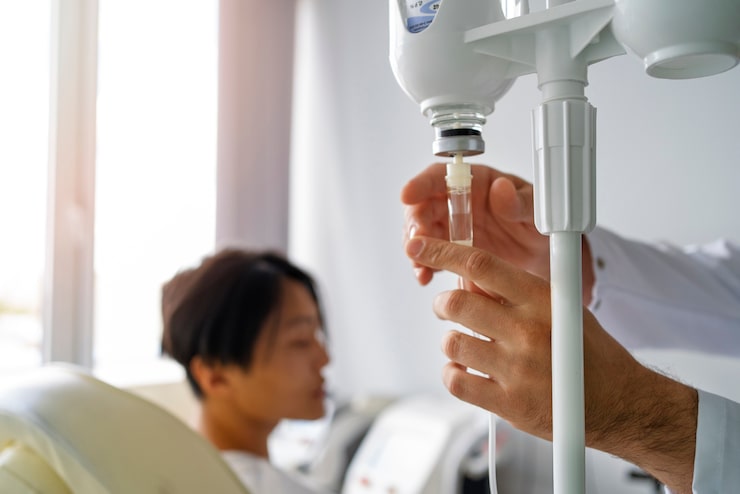
Medically supervised hydration and IV therapy provided after a review of the patient’s health history and current needs.
Personalized hormone evaluation and treatment planning based on symptoms, clinical findings, laboratory results, and individual risk factors.