
Persistent fatigue may be associated with hormonal changes, sleep, stress, nutrition, medication, or another health concern.

Difficulty falling asleep, staying asleep, or feeling rested may have hormonal and nonhormonal causes.

Changes in mood, focus, motivation, or mental clarity may require a broader medical evaluation.

Temperature changes and night sweats may occur during perimenopause, menopause, or another health condition.

Changes in sexual desire or function may be influenced by hormones, medications, health conditions, stress, and relationship factors.

Changes in muscle mass, fat distribution, or physical performance may have several possible medical and lifestyle causes.

These symptoms do not automatically establish testosterone deficiency.
The provider may review symptoms, medications, sleep, medical conditions, fertility goals, and appropriately timed laboratory testing.
Treatment may include hormonal or nonhormonal options depending on symptoms, medical history, risk factors, and patient preferences.
Medical History
A detailed review of symptoms, medications, prior treatment, health conditions, surgeries, family history, and personal goals.
Laboratory Testing
Selected laboratory tests may help investigate hormonal and nonhormonal causes of the patient’s symptoms.
Risk Assessment
The provider reviews cardiovascular, clotting, cancer, fertility, sleep, liver, kidney, and other relevant health factors.
Shared Decision-Making
The patient and provider discuss potential benefits, limitations, alternatives, side effects, and monitoring requirements.
No. Fatigue has many possible causes. A complete evaluation is needed before determining whether hormones may be contributing.
Laboratory testing is commonly part of a hormone evaluation, but the appropriate tests and timing depend on the patient’s symptoms and health history.
Diagnosis should be based on symptoms, clinical evaluation, and appropriately repeated testing when indicated.
Hormone therapy has potential benefits and risks. Safety depends on the patient’s medical history, age, symptoms, treatment type, dose, and monitoring.
Response varies by symptoms, treatment, dose, and patient. Stone Creek should not promise a specific treatment timeline.
Not necessarily. The need for treatment should be reassessed over time based on symptoms, risks, results, and patient goals.
Hormone therapy should not be presented as a guaranteed weight-loss treatment. Patients primarily interested in weight management should review Stone Creek’s Medical Weight Loss program.
Care for coughs, fever, sore throats, ear infections, respiratory symptoms, UTIs, stomach illnesses, rashes, and other common conditions.
Evaluation and treatment for sprains, strains, minor fractures, cuts, burns, wounds, back pain, and other non-emergency injuries.
Convenient physicals, vaccinations, wellness checks, TB testing, blood-pressure checks, drug screens, and other routine healthcare services.
On-site X-rays, rapid testing, EKGs, glucose checks, urinalysis, and respiratory testing when medically appropriate.
A comprehensive health review focused on preventive needs, health risks, recommended screenings, and personal wellness goals.
Clinically guided weight-management care based on the patient’s history, health risks, lifestyle, goals, and treatment eligibility.
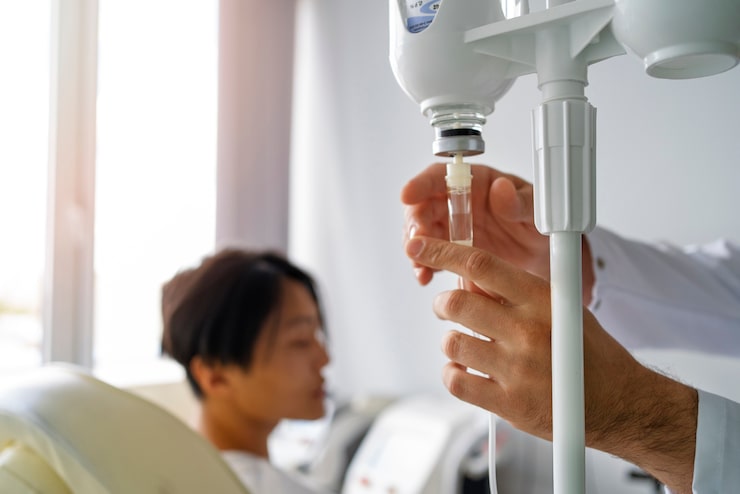
Medically supervised hydration and IV therapy provided after a review of the patient’s health history and current needs.
Personalized hormone evaluation and treatment planning based on symptoms, clinical findings, laboratory results, and individual risk factors.